

Commissioner Contacts
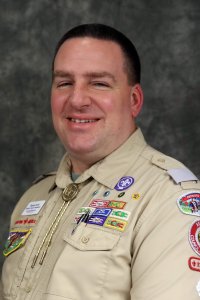
Timothy Farrell
Council Commissioner
Asst Council Commissioners
- Gerard Serpico, Administration
- Mike Conlon, Roundtable
- Les Wu, Technology & Data
District Commissioners
- Fishawack, Les Wu
- Pioneer, Lea Sheridan
- Raritan Valley, Matt Davis
- Skylands, Al Picheiri

Scouting Commissioners are at the heart of unit service sharing the vision and mission of Scouting America.
Commissioner Priorities
1. Being the single, best resource
- Ensuring S.A.F.E programs
- Enabling significant, sustainable growth
Commissioner Culture
- Be the heart
- Build Relationship
- Change Lives
What is a Commissioner?
Commissioners are council and district leaders who help Scouting units succeed. They coach and consult with adult leaders of Cub Scout packs, Scouts BSA troops, Explorer posts and Venturing crews. Commissioners help maintain the standards of Scouting America. Commissioners also oversee unit charter so that each unit reregisters on time with an optimum number of youth and adult members.
A commissioner plays several roles, including friend, representative, unit “doctor,” teacher, and counselor.
- The commissioner is a friend of the unit. Caring about a unit makes commissioner service successful. A commissioner who makes themselves known and accepted will be called on in future times of need.
- The commissioner is a representative. With so many unit leaders focused on serving youth members, contact with the council is limited. A commissioner serves as that council representative, supporting the ideals, principles, and policies of the Scouting movement.
- The commissioner is a unit “doctor”. Prevention is better than a cure, so commissioners work with units to make “health practices” a way of life, act quickly when issues arise observing symptoms, diagnosing the real ailment, prescribing a remedy, and following up on the patient.
- The commissioner is a teacher. Commissioners share knowledge with unit leaders to help Scouting and units prosper. They teach not just in an academic environment, but where it counts most—as an immediate response to a need to know.
- The commissioner is a counselor. As a Scouting counselor, commissioners help units solve their own problems. Counseling is effective when unit leaders don’t recognize a problem and where solutions are not clear-cut. Everyone needs counseling from time to time, even experienced leaders.
Recruiting

Anyone with a servant’s heart who represents the values of the Scout Oath and Law and reflects the communities our units serve is a candidate for unit service.
What characteristics are most important?
- Scouting experience isn’t essential
- Attitude is important
- Non-Scouting skills are valuable
- Character is essential
- A servant’s heart is a prerequisite
Recruit for character, attitude, and non-scouting skills. Train for Scouting knowledge and skills. Coach and mentor for experience. Click here for recruiting resources available from the National office.
Onboarding
Commissioner positions have different onboarding progress records that align with job specific duties. Below are links to National Progress Records for coaches to use with new commissioners.
Onboarding Progress Records:
Commissioners are now considered trained when they complete the prescribed online Position-Specific Training or the facilitated In-Person Instructor-Led Position-Specific Training. Commissioner introductory training is complete when the online or in-person modules are finished.
While completion of the Onboarding Progress Record is no longer a requirement, it is still a helpful tool for administrative commissioners – council/assistant council or district/assistant district commissioners – to use to familiarize the new commissioner with the expectations of the specific commissioner position.
Training


Position Specific Training
Commissioner positions specific training is available on My.Scouting and required courses can be found by clicking here.
National Training Events
Commissioner specific training is hosted by National in several formats including in-person training centers (Philmont, Sea Base, Bechtel), in-person Impact Sessions and virtual Impacts Sessions. National events can be found by clicking here.
College of Commissioner Science
Council run College of Commissioner Science programs can be found by clicking here which is reported by individual council’s on the National Commissioner webpage on Scouting.org. Commissioners who are interested in attending out-of-council College of Commissioner Science training must have approval from the Patriots’ Path Council Commissioner. Course material is also posted by National serving as reference material.
Roundtables
Roundtables serve unit leaders by:
- Providing networking opportunities
- Offering current program training
- Providing and capturing information through unit leader/commissioner collaboration
Location, content and technology all mater in delivering an effective roundtable.
Location
Using district member data, roundtable commissioners can create heat maps to determine optimal location. Click here for a short video on how to create member heat maps.
Content
Roundtable should include safety and membership moments and relevant and timely information. National provides Hot Topics and breakout (training & discussion) content for Cub Scout and Scouts BSA breakouts. Click here for more information.
Attendance
Automating attendance can help commissioners manage administrative tasks and consistently track and report participation. Use digital forms and QR codes to streamline attendance. A how-to video on creating QR codes can be found here.
Roundtable ‘Participation’ Metric
Commissioner Tools calculates participation as Units in Attendance divided by Total District Units. For example, if a district has 20 units, and at least 1 leader attends from 10 different units, participation would be 50% (10/20). If the 10 leaders however were all from the same unit, participation would be 5% (1/20).
Recommendation: Report attendance by each Scouting program e.g., Cub Scout separate from Scouts BSA. This will give commissioners insights into program participation. For example, reporting Cub and Scouts BSA program attendance together may mask that Scouts BSA unit leaders attend at a higher rate than Cub Scout unit leaders.
In-Person, Virtual or Hybrid?
Click here for hybrid roundtable best practices.
National Resources
Commissioner resources are available on Scouting.org under resources including news, National Service Team contacts, program support and more.

Technology
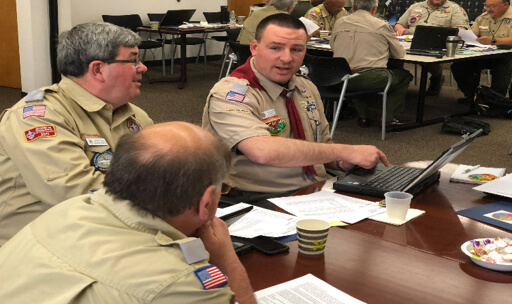
Technology tools are available to help commissioners provide valuable Unit Service leading to improved Unit Health that results in continual Youth and Unit Retention.
- My.Scouting commissioner tool reference guides
- Training on commissioner tools and reports
- Other resources including FAQ
Commissioner Recognition
Commissioner recognition has three objectives:
1. Establish recognition opportunities for all commissioners.
2. Establish consistent requirements that incorporate the contemporary tools and techniques commissioners use.
3. Provide easy access to information, including opportunities, requirements, progress records, certificates, and available recognition items.
There are three categories of commissioner awards and recognition:
- Recognition of an individual’s commitment to serve.
- Recognition of an individual’s development
- Recognition of an individual’s impact.
There are also three classifications of commissioner awards and recognition:
- Recognition from an individual’s selection to serve.
- Recognition from an individual’s application for an award.
- Recognition from an individual’s nomination for an award.
Please click here for more details on Commissioner Awards.

The Commissioner Key can be earned over a 3-year period

The Commissioner Award in Excellence in Unit Service is an award approved by district and council commissioners.
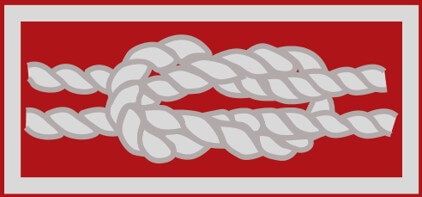
Distinguished Commissioner Service Award is the highest recognition that can be awarded to a commissioner.
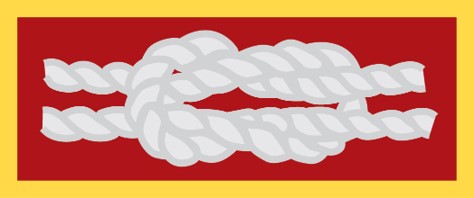
Doctorate of Commissioner Science award is earned through performance, continuing education and research.
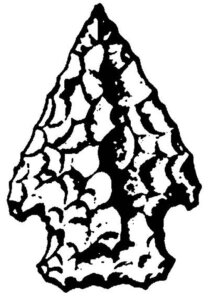
The Arrowhead Honor can be earned for each commissioner position served.